“Named operator” is an easy phrase to put on a website. This is a short essay on what it actually costs to deliver — and why we think most of the freight industry has the economics backwards.
The portal trap
A portal is cheap to run and scales beautifully — for the forwarder. It moves the work of chasing information onto the customer, who ends up refreshing a status page at 11pm instead of talking to someone who can actually change the outcome.
It looks like service. It is really cost-shifting.
What a named operator actually does
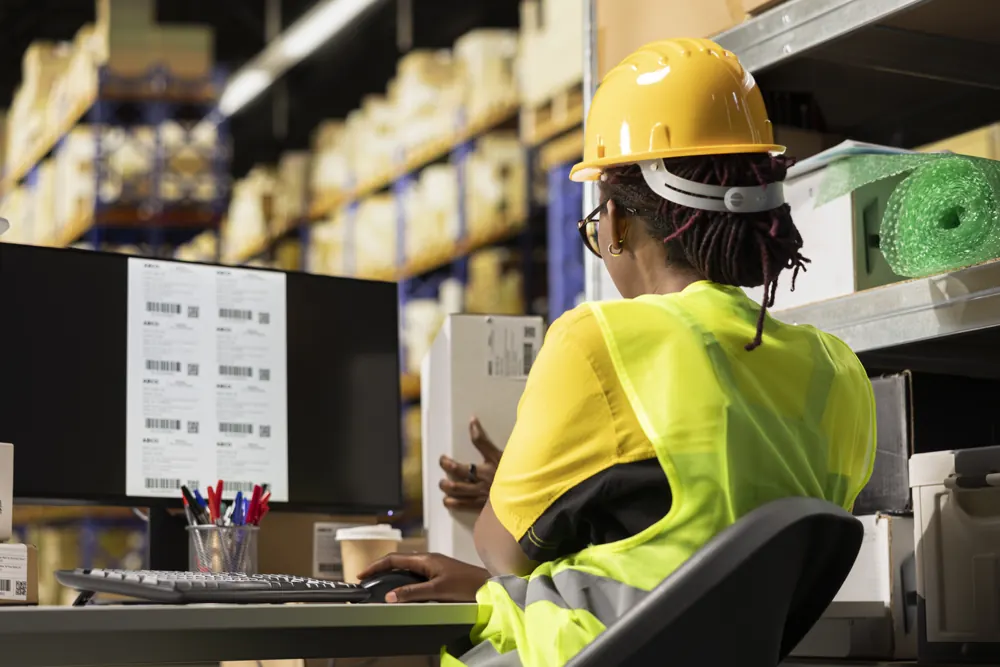
A named operator is the person who knows your shipment by name, picks up when a container is stuck, and has the authority to do something about it. That is not a chatbot with a human fallback; it is a specific person accountable for a specific lane.
It costs more to staff. We think it costs less to ship, because the expensive failures — missed cut-offs, customs holds, silent re-routes — are the ones a person catches early.
Why 11pm matters
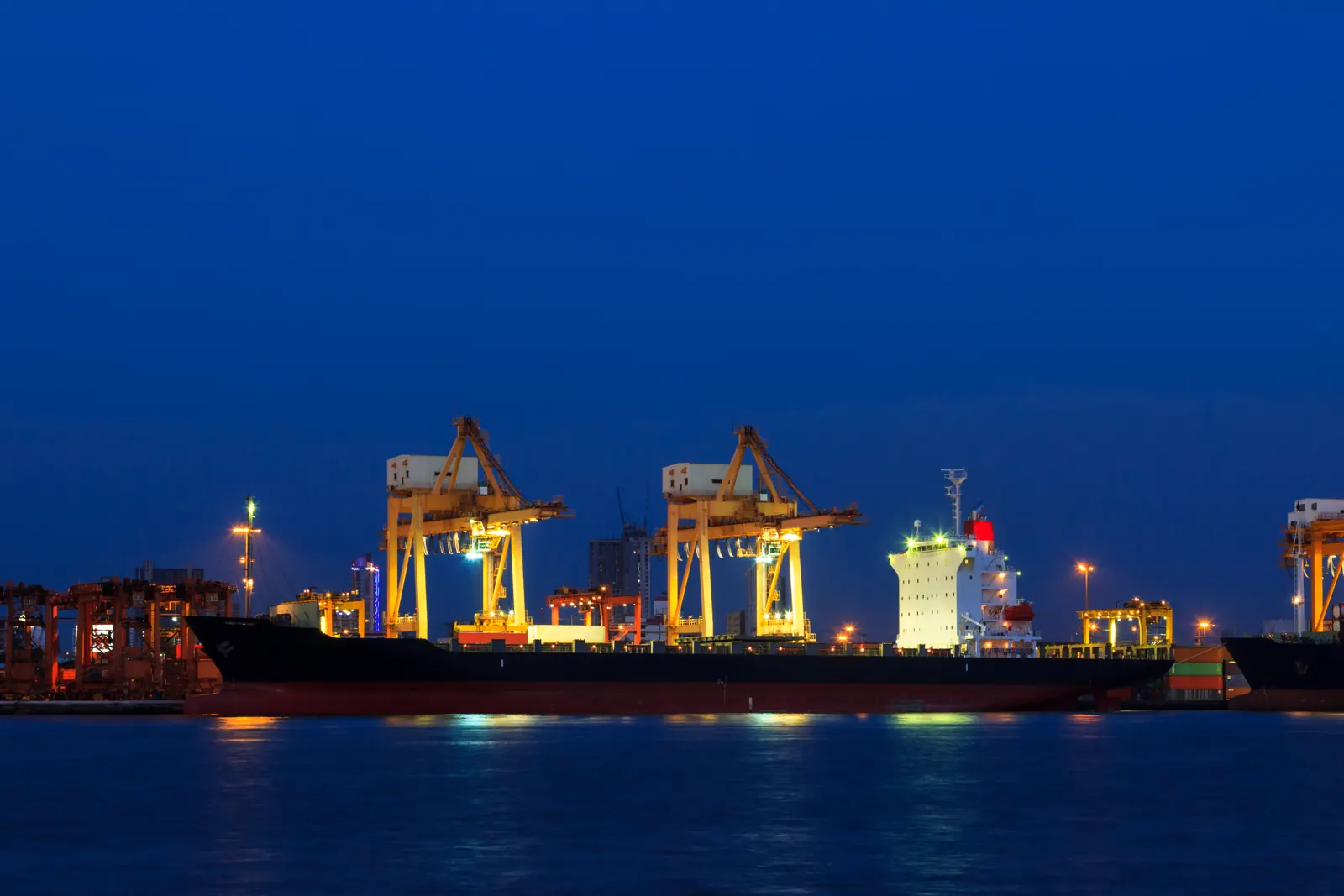
Freight does not keep office hours. A vessel schedule shifts, a border queue forms, a document is rejected — and the window to fix it is often outside 9-to-5 in your timezone. Answering the phone at 11pm is not heroism; it is just being where the problem is when it happens.
The economics, honestly
We are not claiming to be cheaper on a per-shipment sticker price. We are claiming that a named operator lowers your total cost by preventing the failures that do not show up on a quote. If that trade-off fits how you ship, we should talk.